Hot Mop Roofs in San Diego: A Time-Tested Low-Slope Option
If you own a home or small commercial building in San Diego with a low-slope roof, sooner or later you end up in the same conversation. The roof has started to age, ponding water shows up where it did not before, or a leak sends you into the attic with a flashlight. Then the estimates start arriving, and along with them, a flood of roofing terms. Hot mop comes up. So does modified bitumen. Someone mentions torch-down. Another person says flat roofs are never really flat. All of a sudden, what seemed like a simple roof replacement turns into a course in low-slope roofing.
That confusion is normal. Low-slope roofs are a different animal from pitched tile roofs, and San Diego has its own practical realities. The weather is easier on roofs than it is in harsher climates, but that does not mean you can treat a low-slope roof casually. Drainage still matters. Permits still matter. Matching the right roof system to the building still matters.
Hot mop remains part of that conversation because it sits in a category of roofing that many San Diego property owners already know by reputation. It is often considered when people want a proven approach for a low-slope roof and when they are weighing options during a roof installation or full roof replacement. The key is not to treat the decision as a style choice. It is a building-envelope decision, and those go better when you slow down and look at slope, drainage, permit triggers, and the roof as a complete assembly rather than just the visible surface.
Why low-slope roofs demand a different mindset
A low-slope roof asks more of the installer than many homeowners realize. On a steep roof, gravity helps shed water fast. On a low-slope roof, the roof still needs to move water, but it does so with much less margin for error. That is why code frameworks for low-slope membranes emphasize drainage. For example, single-ply membrane roofs are expected to have a minimum slope of 1/4 inch in 12 for drainage. Even if you are not installing a single-ply system, that basic idea tells you something important: low-slope roofing works best when drainage is intentional, not accidental.
This is where a lot of bad reroof decisions begin. An owner focuses on the top layer alone and assumes the new surface will solve everything. In the field, it rarely works that way. If the roof has low spots, clogged drains, poor transitions, or neglected penetrations, a new surface by itself may not address the real issue. A good contractor starts by reading the roof as a water-management system.
That point matters just as much during roof replacement as it does during original roof installation. If you replace a low-slope roof without understanding how the assembly sheds water, you are not really replacing the problem, you are covering it.
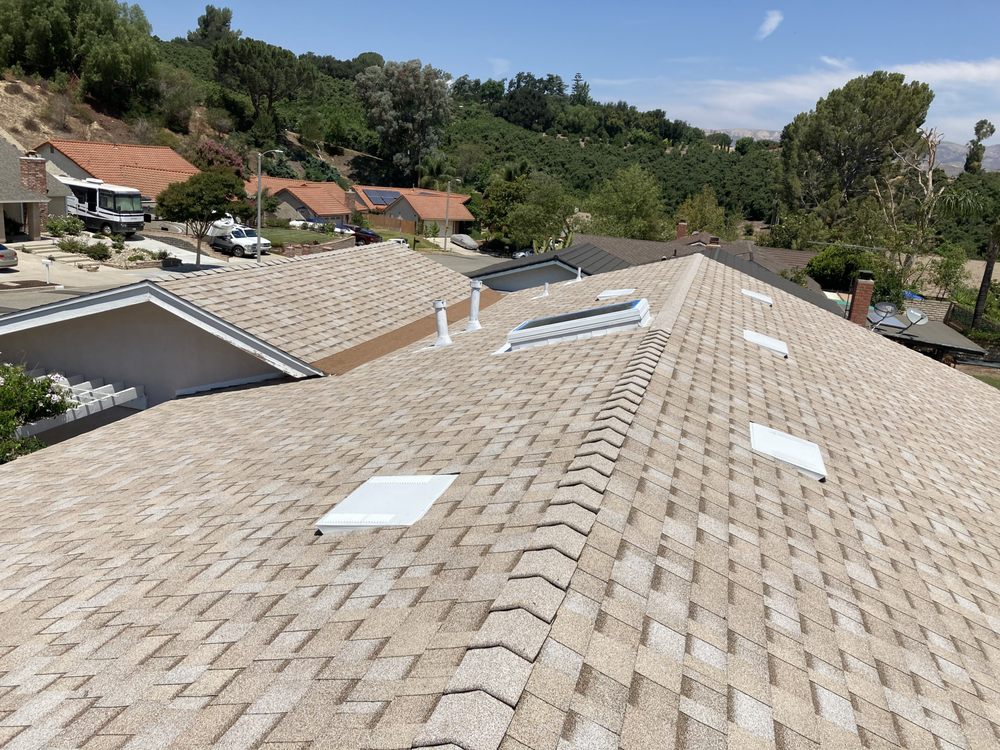
Hot mop in the San Diego roofing conversation
In San Diego, hot mop is not talked about in a vacuum. It usually comes up as one of several choices for a low-slope roof, especially when an owner is comparing established systems instead of shopping purely on price. Even when people have strong opinions about one system or another, the better question is usually not, “What roof do you like?” It is, “What roof makes sense on this building, with this slope, this drainage pattern, and this permit path?”
That is why the conversation often branches into neighboring systems. Modified bitumen, for instance, is a common low-slope roofing system, and torch-down is one installation method used for modified bitumen sheets on flat or low-slope roofs. The point is not that one label automatically beats another. The point is that low-slope roofs live in a category where details of assembly, slope, and installation method are central.
A homeowner might call and say, “I need a new flat roof.” In practice, that single sentence can describe several very different situations. One roof may be ready for a straightforward in-kind replacement. Another may have permit questions because the work has crossed from repair into reroofing. Another may sit on an older building where historic review enters the picture. Another may involve transitions to tile or parapet conditions that make the visible roof covering only part of the story.
That is why experienced contractors spend a lot of time asking questions before they give firm answers.
The permit issue is not paperwork trivia
One of the biggest mistakes I see property owners make is treating permits like an afterthought. In San Diego, reroofing or roof-covering renewal generally requires a permit, and the city states that its rules follow the California Building Code and Residential Code as amended locally. There can be cases where in-kind roof repair or replacement is exempt, but that does not mean every roofing job slides through without review.
The practical dividing line is often whether the work stays limited and in-kind, or whether it becomes a broader reroof or roof-covering renewal. Once you move into that broader category, permit and code compliance questions come into play in a much more obvious way.
This matters because owners often use the words repair and replacement loosely. A contractor may remove and replace enough material that the job is no longer a simple patch or limited repair, even if the original call started with, “We just want to fix a leak.” If you are budgeting for a roof replacement, especially on a low-slope roof, it is wise to expect a permit discussion early rather than late.
San Diego also notes special permit and historic-review triggers for older buildings. That can catch people off guard. They assume roofing is roofing, but older properties may involve another layer of review that affects timing and scope. If the building has age or status that brings historic concerns into roof replacement play, you want to know that before crews and materials are scheduled.
There is another permit wrinkle the city highlights: replacing wood shakes or wood shingles with certain heavier roofing materials can affect permit requirements. That detail shows why “same area, new roof” is not always a simple swap. Weight, assembly, and code implications matter.
The visible roof is only part of the roof
This may be the most useful principle in all of roofing, and it applies far beyond tile. The roof system is not just the material you see from the street. California code makes that clear with tile roofs, which must be installed according to manufacturer instructions, including slope and underlayment requirements. The underlayment itself must come from approved options referenced by code.
Even if your project is not tile, the lesson transfers cleanly to low-slope work. Owners often shop roof surfaces the way they shop paint colors. They compare names and finishes while skipping the underlying assembly. But a roof performs as a system. Surface material, slope, underlayment, transitions, drainage path, penetrations, and attachment or installation method all interact.
That is why a good estimator does not just stare at the field of the roof. They look at drains, edges, flashings, equipment curbs, scuppers, and connections to walls. If your home has a low-slope section meeting a steeper tile area, they should understand both roof types and how they interface. San Diego homes are full of these mixed-roof situations. A front elevation may present tile, while a patio cover, addition, or rear section uses a low-slope assembly. The leak may show up in the low-slope area, but the diagnosis may involve more than one roof type.
Drainage is where good roofing decisions begin
The code emphasis on drainage is not abstract. Water has to leave the roof. During construction, roof drainage should remain functional, and roof assemblies should be protected from water intrusion. Those are practical jobsite realities, not just nice ideas on paper.
Anyone who has lived through a roof replacement during an untimely storm knows how quickly a clean schedule can get messy. Even in San Diego, weather windows do not grant immunity. A responsible contractor plans the work so the building is protected and drainage is not casually disrupted while the roof is open.
On low-slope roofs, drainage problems also have a way of hiding in plain sight. The roof may “look fine” from the ground, while subtle depressions or blocked outlets hold water where it should not sit. Homeowners understandably focus on the leak location inside the house, but the source may be some distance away. Water migration on low-slope roofs can be deceptive.
When people ask whether a hot mop roof is a good option, this is where I start. Not with brand loyalty, not with broad claims about one system lasting forever, but with drainage. Show me the slope. Show me where the water goes. Show me the condition of the edges and penetrations. Then we can talk intelligently about the best path for roof installation or roof replacement.
Repair or replacement, where the line often gets blurry
Most owners would prefer a repair if it solves the problem honestly. No one wakes up eager to pay for a full reroof. But on aging low-slope roofs, repeated spot repairs can become an expensive habit. The issue is not just money spent. It is the uncertainty that follows every patch. Did we fix the real problem, or did we buy a few more months?
In San Diego, the city recognizes that some in-kind roof repair or replacement can be exempt in certain cases. Still, once the work expands into roof-covering renewal, permit and code considerations become part of the project. That means the repair-versus-replacement call is not only about condition. It can also affect process.
A good contractor should be able to explain why they are recommending one path over the other. Sometimes the answer is obvious. The roof has reached the point where piecemeal work no longer makes financial sense. Other times the answer is murkier. There may be one persistent area of failure on an otherwise serviceable roof. In those cases, judgment matters.
Here are a few smart questions to ask when a low-slope roof estimate lands on your kitchen counter:
- Is this being treated as a repair, or as a reroof or roof-covering renewal?
- Will the project require a permit under San Diego’s current rules?
- How is drainage being evaluated and maintained during the work?
- What parts of the roof assembly, not just the visible surface, are being addressed?
- Are there age or historic-review issues with this building that could affect the schedule?
That short list will tell you a lot about the person across the table. Clear answers usually indicate real familiarity with local roofing work. Vague answers usually mean more digging is needed.
Comparing low-slope options without oversimplifying them
Owners often want a quick side-by-side verdict. Which is better, hot mop or torch-down? Which is cheaper? Which lasts longer? Those questions are understandable, but they often skip the more important issue, which is fit.
Modified bitumen is common on low-slope roofs, and torch-down is one way those sheets can be installed. Tile roofs, by contrast, are governed by manufacturer instructions, slope, and underlayment requirements that make them a completely different category. So when people compare roofing systems, they are sometimes mixing apples, oranges, and plumbing fixtures.
A better framing is this: on a San Diego low-slope roof, the right system is the one that suits the roof geometry, works within code and permit requirements, and can be installed as a complete, well-draining assembly. That may sound less exciting than a salesman’s one-line promise, but it is more reliable.
This is also where experience shows up in subtle ways. A contractor who understands low-slope roofing will usually spend less time making grand claims and more time talking through transitions, penetrations, edges, and drainage. They know the problem areas are rarely glamorous. They are the boring details, executed well or poorly.
Mixed roofs, older homes, and the surprises they bring
San Diego housing stock is varied. You can have a modest mid-century house with a low-slope section at the rear, a Spanish-style home with tile on the visible pitched areas, or an older building that raises historic-review questions before work even starts. These roofs do not fit into neat boxes.
That variety matters because owners often assume the low-slope area can be handled independently. Sometimes it can. Sometimes it cannot. If a low-slope roof ties into another roof covering, parapet, or wall condition, the replacement strategy needs to account for those adjoining elements. If an older property triggers special review, schedule and approvals may influence when the work can happen. If a previous owner layered fixes over the years, the visible condition may not tell the whole story.
One of the more frustrating situations for owners is when an estimate looks simple until tear-off begins, and then hidden conditions surface. While no honest contractor can predict every surprise, a thorough inspection and a grounded discussion of permit scope can reduce unpleasant surprises.
What a careful roofing conversation sounds like
When I hear a contractor talk through a low-slope project well, the language is practical. They do not just say, “We’ll put a new roof on.” They talk about the building, the roof sections, drainage, and whether the work is an in-kind repair or a full roof replacement. They understand that San Diego generally requires permits for reroofing or roof-covering renewal, and they do not brush off the possibility of exemptions without looking closely at scope. They recognize that older buildings may involve historic-review triggers. They know a roof is an assembly.
That kind of conversation builds confidence because it respects the complexity without turning it into theater. Roofing does not need to be mysterious. It just needs to be handled with care.
If you are evaluating hot mop as a low-slope option, that is the standard to use. Not who sounds the most certain in the first five minutes, but who takes the time to connect system choice with slope, drainage, code framework, and local permit realities.
A practical way to approach your decision
If you are standing at the edge of a roofing project and trying to decide whether hot mop belongs on your shortlist, keep your focus on the fundamentals. The roof has to drain. The work has to be classified correctly as repair or reroofing. The permit path has to be understood before the project is underway, not after. The assembly has to be treated as more than the topmost surface.
These are the points worth settling before you commit:
- Confirm whether your roof is truly low-slope and how water is intended to drain from it.
- Clarify whether you are pursuing a limited repair or a broader roof replacement.
- Verify permit needs with the actual project scope, especially in San Diego.
- Ask whether age, historic status, or material changes could trigger added review.
- Compare options based on full assembly and drainage logic, not sales shorthand. metal roof installation
That approach may feel slower at the front end, but it usually saves time and money later. Owners who rush often end up paying twice, once for the work, and again for the correction.
Why this old-school category still has staying power
Hot mop continues to come up in San Diego because low-slope roofing tends to reward systems and installers that respect fundamentals. It is not a fashion contest. It is a water-management problem solved through materials, slope, and workmanship. A low-slope roof that drains properly, fits the building, and is installed within the right permit and code framework will usually outperform a “premium” choice that ignores those basics.
That is why the smartest homeowners and property managers I know do not start with hype. They start with questions. They ask how the roof handles water, how the project will be classified, what permit path applies, and how the complete assembly will be addressed. Once those answers are on the table, the decision gets clearer.
And that is really the heart of choosing a roof in San Diego. Whether hot mop ends up being the right move for your building or whether another low-slope system makes better sense, the win comes from understanding the roof as a system and the project as more than a surface swap. When you do that, roof installation and roof replacement stop feeling like a gamble and start feeling like informed building maintenance.